Introduction
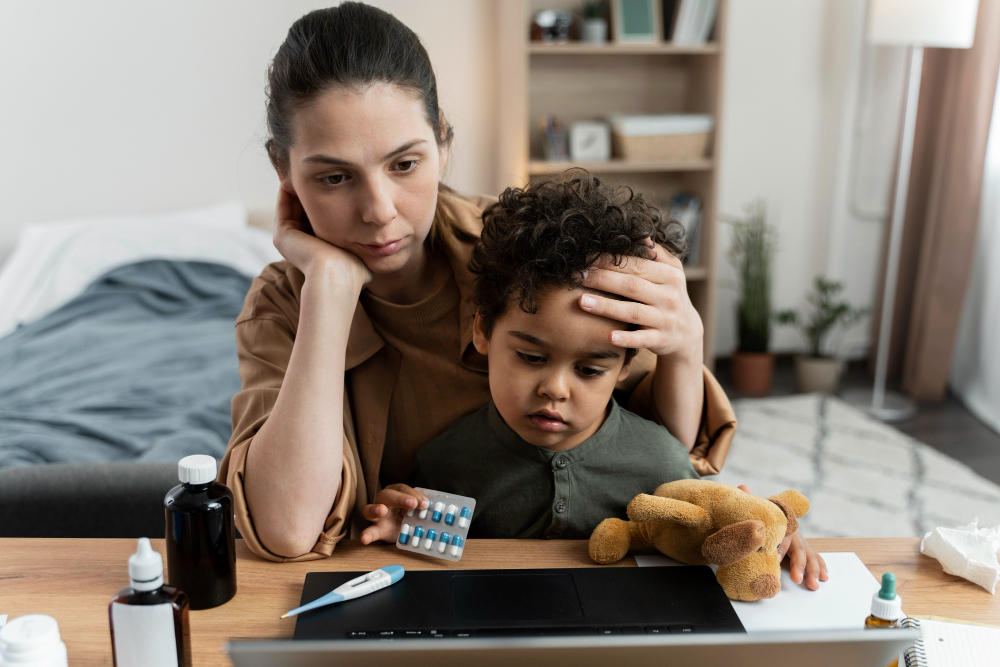
Every parent wants their child to stay healthy. However, common childhood illnesses can affect kids at any age. Knowing about these illnesses helps parents act quickly and keep children safe. In this blog, we will discuss common childhood illnesses, their symptoms, causes, and ways to prevent them. We will also share tips on when to call a pediatrician and how to care for your child at home.
Overview of Common Childhood Illnesses
Children often get sick as their immune systems develop. Some illnesses are mild, while others need medical care. For example, the most common childhood illnesses include:
Although most of these illnesses are not serious, some can lead to complications. Therefore, it is important to know the signs and act early.
Symptoms and Warning Signs Parents Should Watch For
Because children may not always explain how they feel, parents should watch for certain symptoms. Early detection can help prevent complications. Look for these signs:
Additionally, if your child has a high fever, trouble breathing, or seems very weak, seek medical help right away.
Causes and Risk Factors
Most common childhood illnesses are caused by viruses or bacteria. For instance, colds and flu are viral, while strep throat is bacterial. Children are at higher risk because their immune systems are still growing. Also, close contact in schools or daycare helps germs spread easily. Other risk factors include:
However, healthy habits can lower these risks.
Diagnosis and When to Seek Medical Help
Doctors diagnose childhood illnesses by asking about symptoms and doing a physical exam. Sometimes, they may order tests, such as throat swabs or blood tests. But when should you call a pediatrician? You should seek medical help if:
Early contact with a doctor can prevent serious problems. The CDC and WHO recommend not waiting if you are unsure.
Treatment Options and Home Care Tips
Most common childhood illnesses get better with rest and fluids. However, some may need medicine. For example, antibiotics treat bacterial infections like strep throat, but not viral illnesses. At home, you can help your child by:
But never give aspirin to children, as it can cause serious side effects. Always check with your pediatrician before giving any new medicine.
Prevention Strategies and Healthy Habits
Although you cannot prevent every illness, healthy habits make a big difference. For instance, you can help protect your child by:
Moreover, a healthy diet and enough sleep help boost your child’s immune system. The WHO and CDC both stress the importance of these steps in preventing childhood diseases.
Frequently Asked Questions (FAQs) for Parents
Conclusion
In summary, knowing about common childhood illnesses helps parents act early and keep children safe. However, if you have any concerns about your child’s health, consult your pediatrician at Arya Children’s clinic for personalized advice. Your doctor can guide you on the best care for your child.