What Is Growth Assessment in Children?
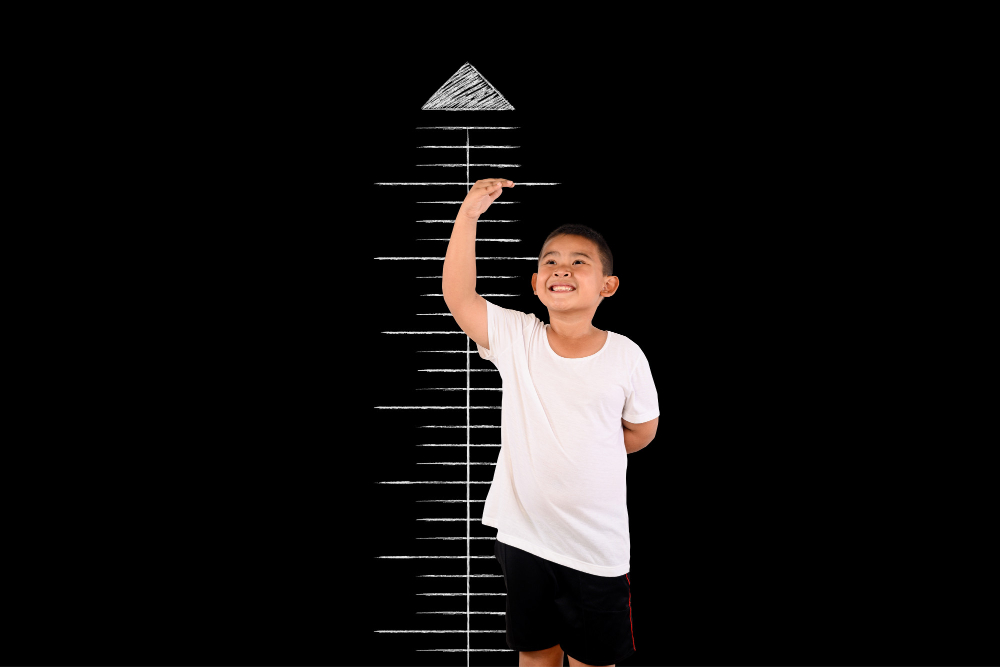
Growth assessment in children is a way to check how kids are growing over time. Doctors and parents use this process to watch changes in height, weight, and development. For example, regular checks can help spot early signs of health issues. Child growth monitoring is important for every family. It helps make sure children reach normal child development milestones. In many places, doctors use growth standards from groups like the World Health Organization (WHO) or Centers for Disease Control and Prevention (CDC).
Why Tracking Height, Weight, and Development Matters
Tracking child height and weight helps parents and doctors notice changes that may need attention. For instance, a sudden drop in weight or slow height growth can signal a problem. Early detection often leads to better outcomes. In addition, watching development helps spot delays in walking, talking, or social skills. These checks support healthy growth and give peace of mind to families. Every child grows at their own pace, but regular checks help catch concerns early.
Key Methods for Measuring Growth
Doctors use several simple tools to measure growth in children. At each visit, they may:
Sometimes, doctors also check body mass index (BMI) to see if a child’s weight is healthy for their height. In many clinics, these checks happen at regular intervals, such as every few months or every year.
Understanding Growth Charts and Percentiles
Pediatric growth charts help compare a child’s growth to others of the same age and sex. These charts use percentiles, which show where a child stands among peers. For example, a child in the 50th percentile for height is taller than half of children their age. Growth charts can look different in each country. In the United States, the CDC provides standard charts. Meanwhile, the WHO charts are used worldwide. Doctors use these tools to spot trends and watch for sudden changes.
Common Causes of Growth Concerns
Sometimes, a child’s growth pattern may raise concerns. Several factors can affect growth, including:
However, some children are naturally smaller or larger due to family traits. If you notice a change, it is important to talk with a doctor.
When to Consult a Pediatrician
It is normal for children to grow at different rates. Still, some signs mean you should see a pediatrician. For example, you should seek help if your child:
Early visits help doctors find and treat problems quickly. In some cases, extra tests or referrals may be needed.
Tips for Supporting Healthy Growth at Home
Families play a big role in healthy growth. To support your child’s development, you can:
In addition, talking and reading with your child helps their brain grow. If you have concerns about growth, do not wait to ask your doctor
Consult experts at Arya Children’s clinic for your child’s assessment.